Discovering the Best Engine for Sale: Guidance for Selecting the Perfect Alternative
When searching for the finest engine, meticulous assessment is vital. Compatibility with the car is critical, accounting for bore and stroke, power output, and fuel type. The decision between used and new options can significantly affect both finances and power. Comprehending various engine specifications can help narrow down choices. However, the undertaking doesn't stop there; evaluating warranty options and seller dependability is equally important. What are the next steps in ensuring a wise investment?
Determining Engine Compatibility: Essential Factors to Examine
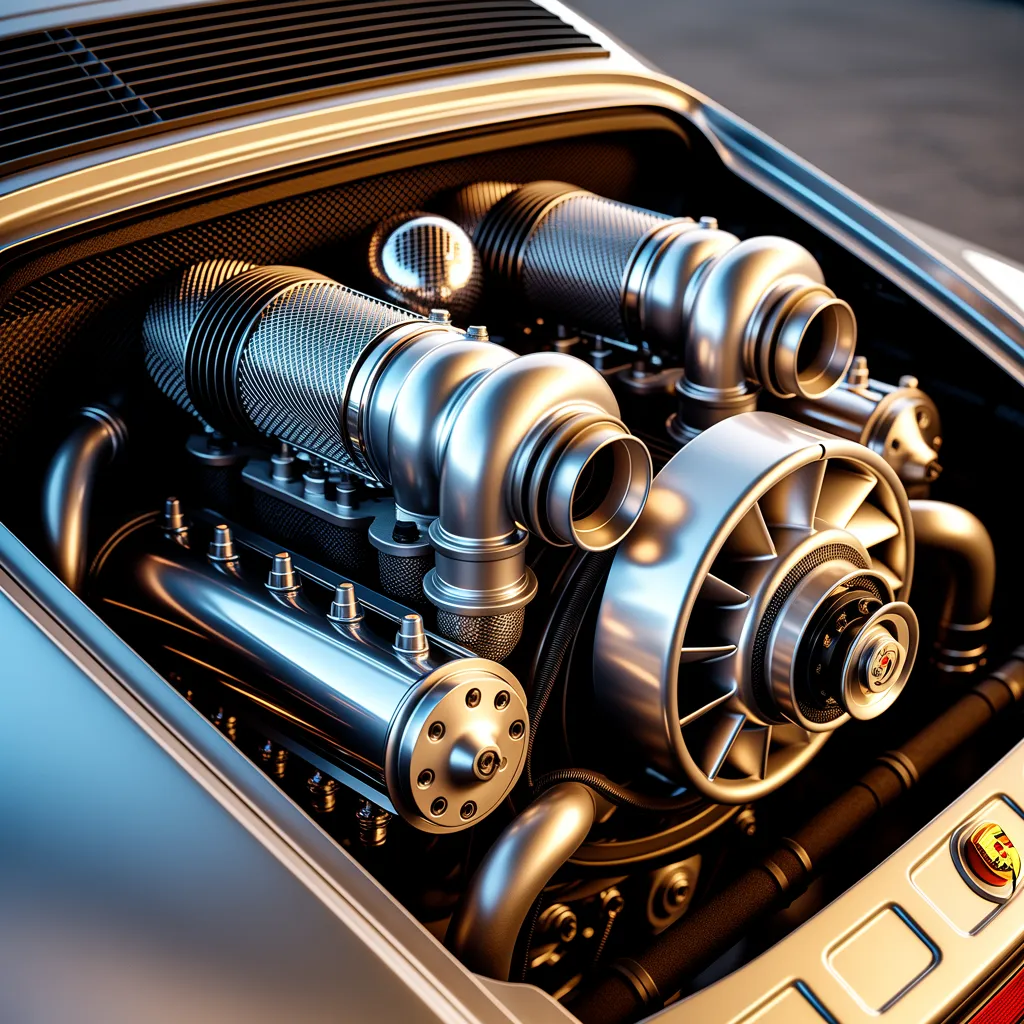
When evaluating engine suitability, what essential factors should be considered? First, one must examine the engine's technical details, including displacement, horsepower, and torque ratings, guaranteeing they align with the vehicle's requirements. Next, the engine's mounting points and transmission compatibility are vital; mismatches can lead to significant installation challenges. Additionally, the type of fuel the engine requires—gasoline, diesel, or alternative fuels—must be suitable for the vehicle's existing systems.
Another important aspect is the engine's emissions standards; it is imperative to choose an engine that complies with local regulations. Moreover, the year, make, and model of both the vehicle and engine should match to avoid compatibility issues. Finally, the condition of the engine, including mileage and service history, should be evaluated to ensure reliability and performance longevity. These factors collectively aid in selecting an engine that will function seamlessly within the vehicle.
Grasping Engine Types: Selecting Which Fits Your Ride?
What influences which motor type best fits your car? Grasping the multiple engine types is crucial for creating a knowledgeable decision. The core categories comprise inline, V-type, and flat engines, each presenting unique benefits. Inline engines are often compact and cost-effective, making them suitable for smaller automobiles. V-type engines, known for their power and torque, are commonly found in larger cars and trucks. Flat engines, while less common, supply a lower center of gravity, enhancing stability.
Additionally, engine displacement and configuration should be considered. A larger displacement typically yields more performance but may cause lower fuel efficiency. Conformance with the vehicle's drivetrain and overall design is essential; incompatibilities can result in mechanical problems. Investigating the manufacturer's specifications can deliver valuable insights into which engine will smoothly fit into the vehicle, securing peak performance and trustworthiness.
New versus Used Engines: Which Option Is Preferable?
When evaluating new versus used engines, cost plays a significant role in the decision-making process. New engines usually include warranties that offer reassurance, while used engines may lack such protection, resulting in potential risks. Assessing these considerations is essential for anyone seeking to make an educated decision.
Cost Factors
Deciding between a new or used engine requires careful consideration of costs and benefits. A new engine commonly has a higher price tag, reflecting its excellent condition and performance dependability. Buyers commonly consider the longevity and potential fuel efficiency of a new engine, which may make the initial investment worthwhile. Conversely, used engines offer a more budget-friendly option, often available at much lower prices. Nevertheless, they may involve risks such as unknown wear and tear or past damage. The overall cost-effectiveness of a used engine can be beneficial, particularly for older vehicles. Ultimately, the decision rests on the buyer's financial circumstances, vehicle age, and long-term plans, balancing immediate costs against potential future expenses.
Differences in Warranty
The differences between new and used engine warranties can significantly impact a buyer's decision. New engines usually arrive with extensive warranties, often ranging from three to five years, including protection for parts and labor for any manufacturing defects. This guarantee offers peace of mind for purchasers, especially those who emphasize reliability. In comparison, used engines may provide limited or no guarantee, based on the seller. While some trusted dealers offer brief warranties, the coverage is typically less thorough. Buyers must weigh the financial benefits of a used engine against potential maintenance expenses. Ultimately, the decision between new and used depends not only on finances but also on the buyer's risk acceptance and preference for long-term dependability.
How to Evaluate Engine Operating Specifications?
In what way can one properly assess engine data? To start, it is vital to examine main parameters like hp, torque, and fuel efficiency. Horsepower shows the engine's power output, while torque reflects its ability to perform work, particularly during speed increase. Analyzing these numbers in relation to the vehicle's mass can offer understanding of total functioning.
Moreover, interested purchasers should assess the engine's RPM range, as this affects driving experience and efficiency. A wider RPM range can enhance flexibility in different driving conditions. It is also advisable to study manufacturer specifications and performance tests, which offer reference points for comparison.
Moreover, understanding the engine's technology—such as turbocharging or hybrid systems—can affect performance and efficiency. In the end, reading feedback and reviews from other customers offers practical knowledge, helping to guarantee an informed decision when choosing the best replacement engine.
What Protection Plans Are Accessible?
When purchasing an engine, understanding warranty options is essential for extended contentment. Buyers should evaluate the various types of engine warranties, the factors influencing their duration, and whether these warranties are assignable. Additionally, it is vital to be aware of any restrictions that may affect coverage.
Types Of Engine Coverage Plans
Multiple motor protection options are accessible to buyers, offering different ranges of protection and safeguarding options. Standard protection typically safeguard engine parts for a constrained duration, guaranteeing essential units are shielded against problems. Lengthened coverage supply more extensive coverage, often including units and labor for a longer timeframe. Some manufacturers and dealers offer lifetime warranties, which can be attractive for long-term vehicle owners. Additionally, powertrain warranties cover critical components like the engine, transmission, and drivetrain, delivering broader protection. It is crucial for consumers to carefully review the terms and conditions of each warranty, as omissions and restrictions may occur. Understanding the multiple types of warranties can assist in making an informed selection when acquiring a new motor.
Warranty Timeframe Factors
When reviewing engine warranties, customers should weigh multiple factors that determine the timeframe of each option available. The type of engine—whether new, remanufactured, or used—frequently establishes the warranty timeframe. New engines generally include longer warranties, ranging three to five years, showing the manufacturer's assurance in their item. Remanufactured get the full story engines might offer limited warranties, typically between one to three years, due to the nature of the refurbishment process. Moreover, the warranty coverage can vary; certain options may protect only certain parts while alternative options offer extensive protection. In conclusion, the reputation of the manufacturer or retailer can prove an important role, as well-known brands often provide extended warranty periods to enhance customer trust and satisfaction.
Portability And Limitations
Understanding warranty options extends beyond length; it also covers assignability and constraints associated with different engine types. Some makers present warranties that are transferable to subsequent owners, boosting the engine's resale value. However, not all warranties contain this aspect, which can diminish appeal for future buyers. In addition, limitations often specify conditions under which the warranty continues valid, such as installation by certified professionals or use within specific guidelines. Buyers should carefully assess these terms to circumvent potential pitfalls. Moreover, certain warranties may only cover parts and not labor, which can lead to additional costs. Ultimately, grasping these factors is essential for making an informed decision when purchasing a replacement engine.
How Can You Organize Your Budget for an Engine Replacement?
How can one correctly establish a financial plan for an engine replacement? First, it is crucial to research the typical prices associated with the particular motor specifications. This includes both new and secondhand motors, as well as rebuilt alternatives. Additionally, potential labor costs should be considered, as installation can change substantially depending on the car and the service professional's skill.
Next, one should consider any ancillary expenses such as oil, coolant, and other fluids, as well as new parts that may be necessary during the setup phase. It is also prudent to allocate a contingency fund, typically around 10-15% of the total estimated cost, to account for surprise charges that may emerge during the replacement.
In the end, assessing personal financial situations will assist in establishing what can be feasibly spent. This detailed approach guarantees a practical budget for an engine replacement, minimizing financial strain.
Identifying Honest Sellers for Superior Engines
Pinpointing credible distributors for quality engines is essential for a successful replacement. Potential buyers should begin by studying vendors with a reputable standing in the motor vehicle community. Web-based reviews and feedback can furnish meaningful understanding into customer satisfaction and the vendor's trustworthiness. It is recommended to opt for vendors who extend guarantees, as this signifies confidence in their products.
Additionally, veteran dealers often communicate in-depth details about the units they offer, including performance data, odometer readings, and maintenance history. Liaising with sellers directly can also expose their knowledge and eagerness to help out. Buyers should clarify warranty terms and logistics arrangements to secure a smooth transaction.
Local salvage yards can also be a good source, often providing engines at affordable rates. Ultimately, thorough research and careful consideration of vendor qualifications will help ensure that buyers find a quality engine for their needs.
Common Questions Posed Often
How long Will an Engine Replacement normally take?
Engine replacement typically takes between 6 to 12 hours, contingent upon the vehicle's make and model, the mechanic's skill level, and any supplementary repairs needed. Durations may change based on specific conditions and shop output.
Which Resources Are Needed When Installing an Engine?
Essential devices for engine installation include a socket set, wrenches, engine hoist, torque wrench, screwdrivers, pliers, and an oil pan. These tools support proper handling, securing, and connecting components during the installation process.
Is doing it yourself of the Engine an possibility?
Yes, one can set up the engine themselves, if they have the necessary skills and tools. Thorough knowledge of engine mechanics and a clear understanding of vehicle specifications are essential for a successful installation.
What might I Do if the Engine ceases to function After replacement?
If the engine malfunctions after installation, the individual should first consult the warranty provider, then assess installation condition. Professional inspection may be necessary to uncover underlying issues, ensuring correct actions for resolution and potential repairs.
Can you find financing options for motor orders?
Of course, various payment methods can be accessed for engine acquisitions, featuring loans from banks, credit unions, and dedicated auto lenders. Numerous retailers also provide payment plans, helping customers to regulate costs successfully throughout the timeframe.